
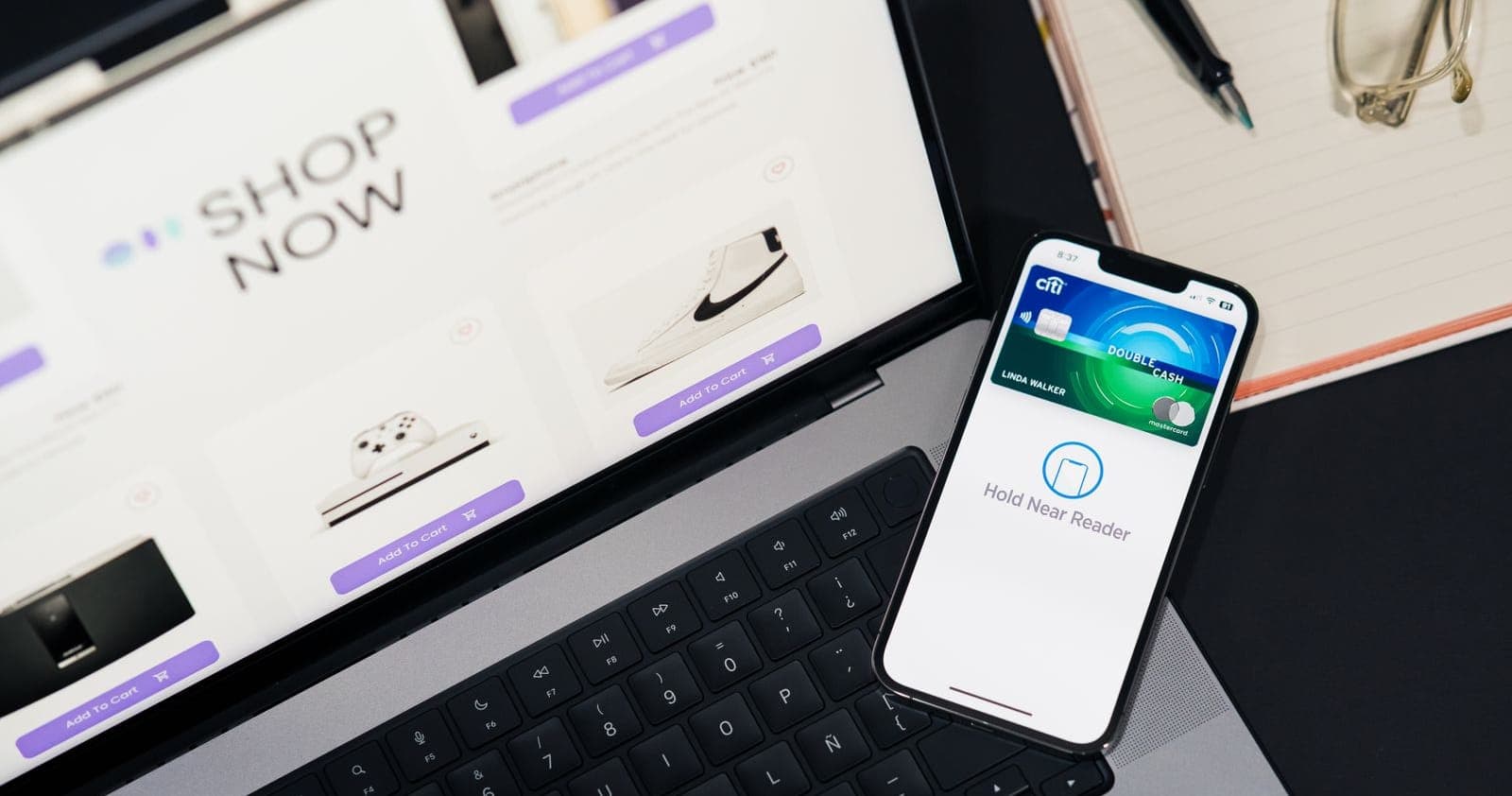
For most Indian ecommerce businesses in 2026, Razorpay is the best all-round payment gateway thanks to its zero setup fee, zero annual maintenance charge, and a broad payments ecosystem - while Cashfree wins on headline transaction rate and PayU suits high-volume enterprises that can negotiate custom pricing. The "best" choice ultimately depends on your monthly transaction volume, your product mix, and how much you value settlement speed over a slightly lower fee.
Below, we break down the real fees, the UPI reality most comparison posts get wrong, and a simple framework to pick the right gateway for your store.
Key Takeaways
- Razorpay charges roughly 2% + 18% GST on standard domestic transactions with ₹0 setup and ₹0 AMC - the safest default for growing D2C and small businesses.
- Cashfree advertises a lower ~1.95% headline rate but typically carries an annual maintenance charge (~₹4,999/year), so it pays off mainly at higher volumes.
- PayU relies on negotiated, volume-based pricing and is best evaluated by enterprises and financial-services businesses.
- UPI is not "free" for merchants - bank-to-bank UPI carries 0% MDR, but your gateway still charges a platform fee (Razorpay lists 2% on UPI).
- UPI now drives an estimated 60 to 65% of online ecommerce transactions in India, so UPI success rate matters as much as the fee.
Why the payment gateway decision matters more than ever
The gateway you pick now directly shapes your revenue, because it controls the fee on every sale and the success rate of the payment method most Indians actually use. India's ecommerce market reached roughly USD 159 billion in 2026 and is projected to more than double to about USD 333 billion by 2031, growing at nearly 16% a year, according to Mordor Intelligence. With around 270 million online shoppers, India is already the world's second-largest e-retail market.
At the same time, the way Indians pay has shifted decisively. UPI processed a record 23.2 billion transactions worth ₹29.9 trillion in May 2026, per NPCI data reported by ANI, and UPI now accounts for roughly 85% of India's digital payments heading into FY 2025 to 26. For online checkout specifically, industry estimates put UPI at 60 to 65% of ecommerce transaction volume, while cash on delivery has fallen from about 45% to under 20%.
Translation: your gateway's UPI performance - success rate, retry logic, and fees - has a direct line to your revenue. A gateway with a slightly higher fee but a better UPI success rate can leave more money in your account than a "cheaper" one that fails more checkouts.
Razorpay vs PayU vs Cashfree: fees at a glance
Here's how the three most popular Indian gateways compare on the numbers that matter in 2026. All standard rates attract 18% GST on the fee.
| Gateway | Standard transaction fee | Setup fee | Annual maintenance | Pricing model |
|---|---|---|---|---|
| Razorpay | ~2% + GST | ₹0 | ₹0 | Flat, published |
| Cashfree | ~1.95% + GST | ₹0 | ~₹4,999/year | Flat, published |
| PayU | Negotiated (volume-based) | Varies | Varies | Custom |
Sources: SoftwareSuggest - Razorpay charges 2026; Analytics Insight - Razorpay vs PayU vs Cashfree 2026. Rates change; confirm on each provider's official pricing page before signing.
The headline takeaway: Cashfree's lower rate is real, but so is its AMC. For a small store doing modest monthly volume, a ~0.05% saving on the rate rarely offsets a fixed ₹4,999 annual charge - which is why Razorpay's zero-AMC model often wins for early-stage merchants. As volume climbs into lakhs per month, the rate difference starts to dominate and Cashfree (or a negotiated PayU deal) becomes more attractive. For the full build-side numbers, see our ecommerce website development cost in India guide.
The UPI "free" myth every merchant should understand
A common and costly misconception is that UPI should be free for merchants because the government mandates zero MDR on bank-to-bank UPI. That's only half the story.

According to Razorpay's official pricing guidance, the merchant discount rate (MDR) on standard UPI is indeed 0% - but the payment gateway still charges a platform fee to cover processing, security, reconciliation, and settlement. Razorpay's published breakdown looks like this:
| Transaction type | MDR | Razorpay platform fee | What the merchant pays |
|---|---|---|---|
| UPI (bank account) | 0% | 2% | Platform fee only |
| UPI (RuPay Credit Card on UPI) | ~1.1% to 2% | 2.15% | MDR + platform fee |
Zero MDR governs the UPI network, not the gateway layer. No provider can offer enterprise-grade reliability without recovering costs somewhere, so treat any "0% UPI, forever free" marketing claim with healthy scepticism and read the fine print.
One more nuance: UPI payments made through prepaid wallets (PPIs) can attract an interchange fee of up to 1.1% on transactions above ₹2,000, borne by the merchant - though small merchants and sub-₹2,000 transactions are largely exempt.
How to choose the right gateway for your store
Rather than chasing the lowest decimal, match the gateway to your business shape.
1. Match it to your monthly volume
If you're early-stage or doing under a few lakh in monthly sales, a zero-AMC gateway like Razorpay protects you from fixed costs during slow months. As you scale past that, model your effective rate including AMC across all three and negotiate - PayU and Cashfree both discount at volume.
2. Prioritise UPI success rate, not just fee
Since UPI is the majority of Indian checkouts, ask each provider for their UPI success rate and whether they support UPI intent flows, autopay/mandates, and RuPay-credit-on-UPI. A 1 to 2% higher success rate compounds into meaningful revenue.
3. Check settlement time and payout flexibility
Standard settlement in India is T+2 working days. If cash flow is tight, look for gateways offering instant or T+1 settlement (often at a small premium). Marketplace and payout-heavy models should evaluate Cashfree's payout strength specifically.
4. Confirm platform and plugin support
Your gateway must integrate cleanly with your stack - Shopify, WooCommerce, Magento, or a custom build. All three support the major platforms, but native plugin quality and developer documentation vary. This is where working with an experienced ecommerce development team saves weeks of integration pain.
5. Weigh the ecosystem
Razorpay bundles payment links, subscriptions, a route/split-payments layer, and business banking - useful if you want one vendor. If you only need core acceptance, a leaner setup may cost less.
What this means for Gurgaon and Delhi NCR businesses
For ecommerce brands across Gurugram, Delhi NCR, and beyond, the practical starting point in 2026 is straightforward: launch on Razorpay for its zero fixed costs and ecosystem, instrument your checkout to measure UPI success rates, and renegotiate or switch once your volume justifies it. Because all three gateways are RBI-authorised payment aggregators, the differentiators are pricing structure, settlement speed, and integration quality - not safety.
If you're building or replatforming a store - for example on Shopify - insist that your development partner sets up the gateway with proper webhook handling, retry logic, and reconciliation from day one. A poorly integrated gateway silently loses sales through failed callbacks and mismatched orders, no matter how low the advertised rate.
Frequently Asked Questions
Which is the cheapest payment gateway in India in 2026?
On headline rate, Cashfree (~1.95%) is typically marginally cheaper than Razorpay (~2%), but Cashfree usually carries an annual maintenance charge of around ₹4,999. For low-to-moderate volume merchants, Razorpay's zero-AMC structure often results in a lower total cost, while at high volumes a negotiated PayU or Cashfree plan can be cheapest. Always compare the effective rate including all fixed fees.
Is UPI free for ecommerce merchants?
No. Bank-to-bank UPI has a government-mandated 0% MDR, but your payment gateway still charges a platform fee - for example, Razorpay lists a 2% platform fee on UPI transactions plus 18% GST. UPI is free for customers, not for merchants.
What fee should I expect on card payments?
Standard domestic debit and credit card transactions on gateways like Razorpay and Cashfree run around 2% + 18% GST. International cards, EMI, and certain premium card networks are usually charged at higher rates.
How long does settlement take?
The default is T+2 working days for most Indian gateways. Many offer T+1 or instant settlement as an add-on for a small fee, which can help cash-flow-sensitive businesses.
Can I use more than one payment gateway on my store?
Yes. Many growing brands run two gateways and route traffic based on success rate and cost - for instance, using one as primary and a second as automatic fallback when a transaction fails. This improves overall checkout conversion but adds integration complexity.
Which payment gateway is best for a Shopify or WooCommerce store in India?
All three - Razorpay, PayU, and Cashfree - offer official Shopify and WooCommerce plugins. Razorpay's plugins and documentation are widely regarded as the most polished for small businesses, but the right pick still depends on your fees, settlement needs, and UPI performance.
The bottom line
There is no single "best" gateway for every store - but for most Indian merchants in 2026, Razorpay is the safest default, Cashfree rewards higher volume, and PayU fits enterprises that can negotiate. Compare the effective rate including fixed fees, weight UPI success rate heavily, and confirm settlement speed and clean integration before you commit.
If you're launching or replatforming a store and want the gateway integrated properly - webhooks, retries, and reconciliation from day one - talk to our team for an honest assessment of the right setup for your stage.
Fees, GST treatment, and settlement terms change frequently. Verify current numbers on each provider's official pricing page before deciding. This article is informational and not financial advice.